Music of our Neighbors


(deutsche Version hier)
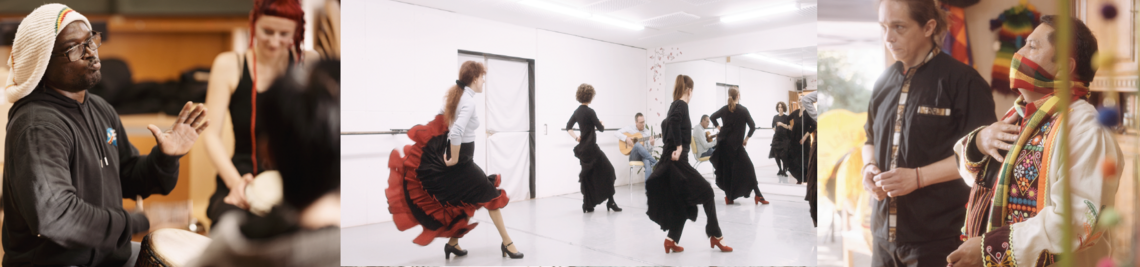
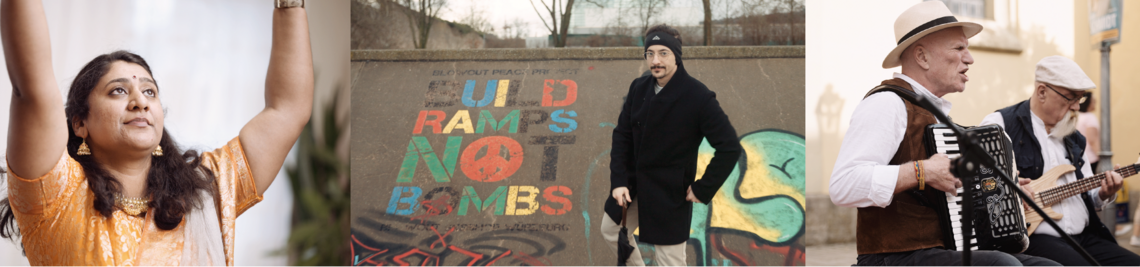
Nestled amongst the vineyards in the Main River Valley lies the picturesque German town of Würzburg. What musics do the people of this provincial Franconian city play, sing, and dance to? With a third of the 130,000 residents having a migration background, diverse traditions from across five continents can be heard in our neighbors’ homes. The feature film Music of Our Neighbors comprises a series of six intimate portraits of musicians and dancers in and around Würzburg who perform Spanish Flamenco dance, Canadian Métis music and indigenous rock, German accordion music, Indian Kathak and Bollywood dance, Arabic rap, African drumming, and Bolivian folkloric music and dance. These portraits reveal the often unrecognized cultural spectrum of rapidly diversifying provincial Europe. As individual artists share their struggles, joys, and life journeys, we see how music and dance are creatively used to cope with challenges, connect to heritage, build new communities, and bridge cultural divides.
Prof. Juniper Hill (Producer, Co-Director, Researcher)
Dr. Cornelia Günauer (Co-Director, Researcher)
Steffen Boseckert (Co-Director, Cinematography)
Assistants: Henrik Engstler, Stella Marte,
Paula Mendizabal Palacios, Deborah Olivier,
Helene Wetterich, Dr. Oliver Wiener





The film Music of Our Neighbors is made of six chapters. Each chapter is a portrait of a musician, dancer, or artistic family. Together the chapters comprise an 85-minute long feature film. Each portrait can also be watched individually as a short (12-14 minute) film.
Watch the complete film Music of our Neighbors with English subtitles here.
The Portraits

Franconian Groove
featuring folk musician Bernd Dittl on accordion (from Franconia, Germany)
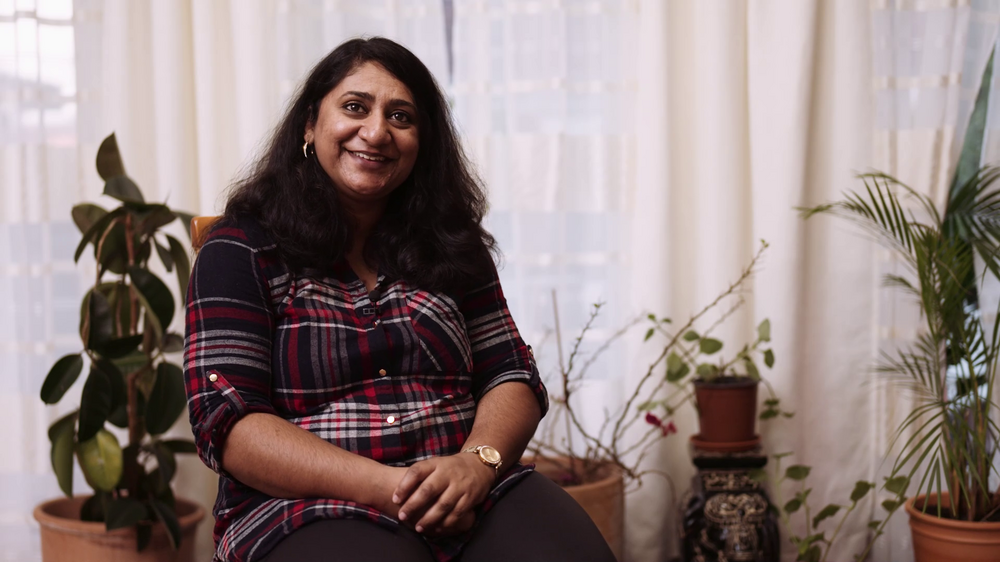
Franconian Kathak and Bollyfit
featuring dancer Elizabeth Elengical (from Germany with Indian heritage)

Mbonda Lokito Children’s Aid
featuring André Mabiala from the Democratic Republic of the Congo and Germany on the drums and balafon
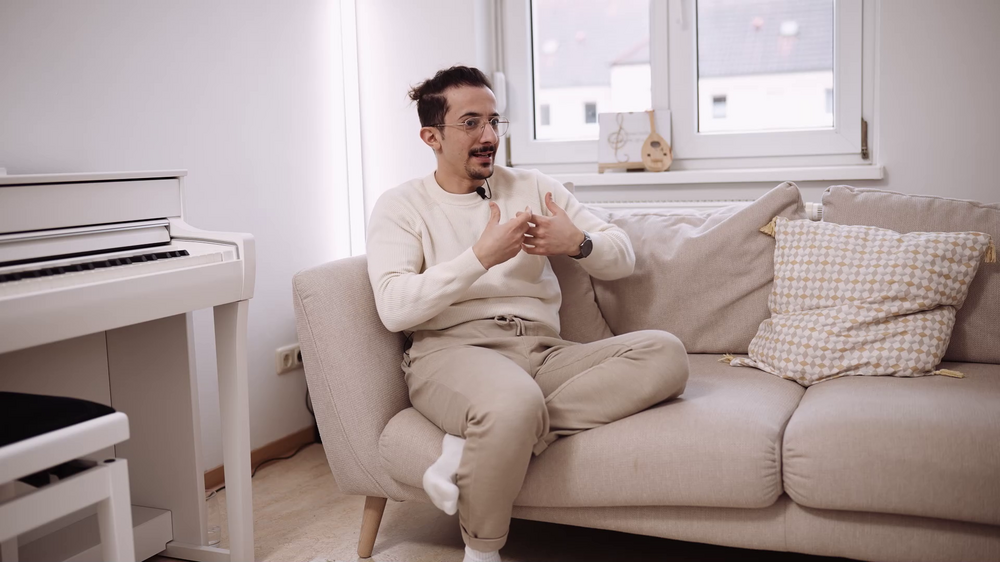
From 8 Mile Road to Min Ana
with Niro Degen (Voice and Beats) from Syria and Germany
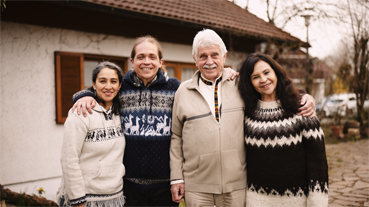
Home is Family
featuring the Rosenbaum family with their Andean dance group LEAL and Andean music Aru (from Bolivia, Ecuador, Peru, and Germany)

Traditionen ohne Grenzen
Mit Rob Collomb aus Kanada (Gitarre) und Mercedes Sebald Arguisuelas aus Spanien und Deutschland (Tanz)
Intercultural Learning Materials
Teachers and lecturers are welcome to use the film portraits in their classes.
The following worksheets engage key cultural, social, and/or artistic concepts from each film portrait. They support a comprehensive learning process relevant to multiple subjects (social sciences, cultural studies, regional studies, music, dance, etc.). The exercises within each workshop are designed with multiple difficulty levels, from easier to more challenging, so that the instructor can select which exercises are most appropriate for the level of their students/pupils. In general, the worksheets “African drumming from stereotype to personal identity” and “Musik in Everyday Life” are somewhat simpler, the worksheets “A Syrian Rapper in Germany” and “Dance as cultural expression” as more intermediary, and the worksheets “Traditions without borders” and “Cultural heritage from South America.”
The following video tutorials are designed to help get learners actively singing, drumming, and playing Arabic music and cooking Syrian food. The videos are in German with English subtitles (turn on the English subtitles in the YouTube video settings).
Worksheets
Musik in Everyday Life – Feelings and Connections -- “Franconian Groove” with Bernd Dittl
A Syrian Rapper in Germany -- “From 8 Mile Road to Min Ana” with Niro Degen
Dance as cultural expression -- “Franconian Kathak and Bollyfit” with Elizabeth Elengical
Traditions without borders – Intercultural Artists with Rob Collomb and Mercedes Sebald Arguisuelas
Cultural heritage from South America -- "Family is home" with the Rosenbaum family
The worksheets can also be accessed in Padlet.
Video Tutorials: Arabic singing, drumming, music-making, and cooking
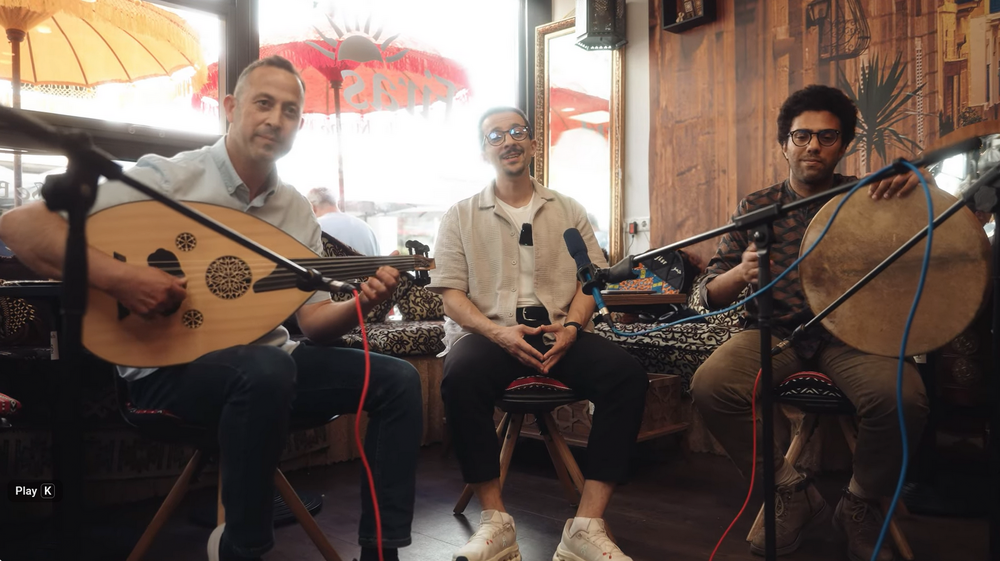
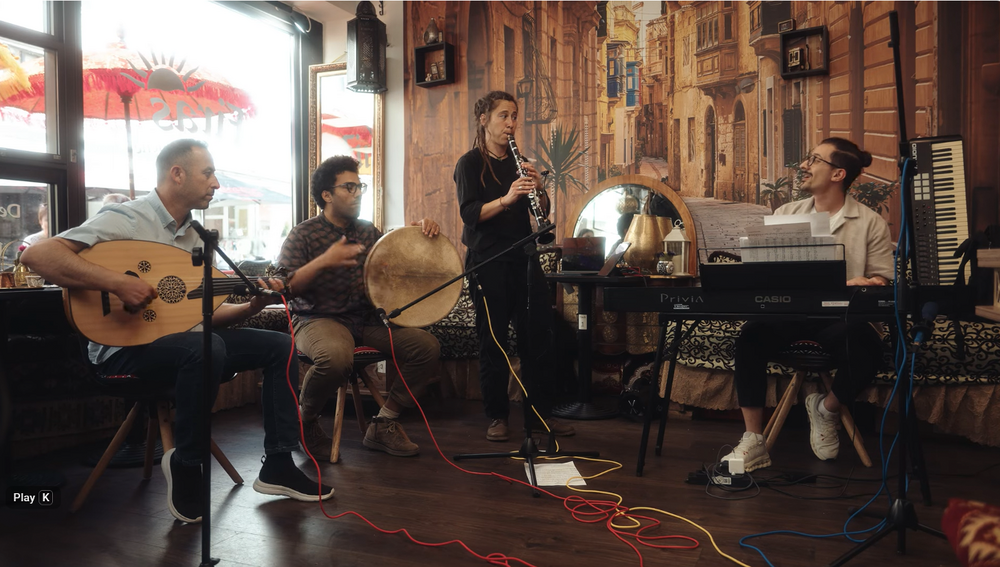
Listen to a traditional tarab version of the Arabic song „El Hilwa Di“ (“The Beautiful One”) with an improvised introduction (taksim) on the oud (Arabic lute).
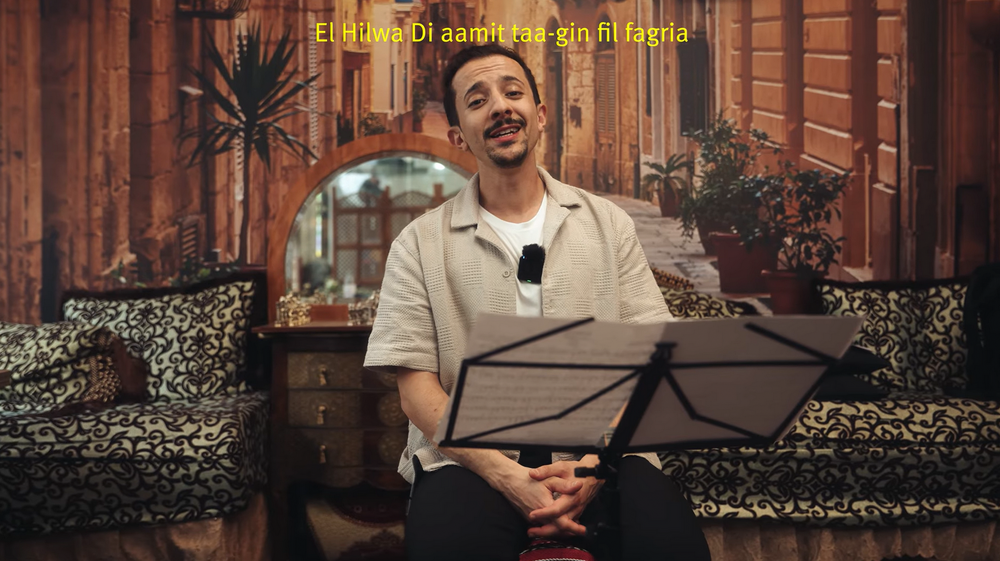
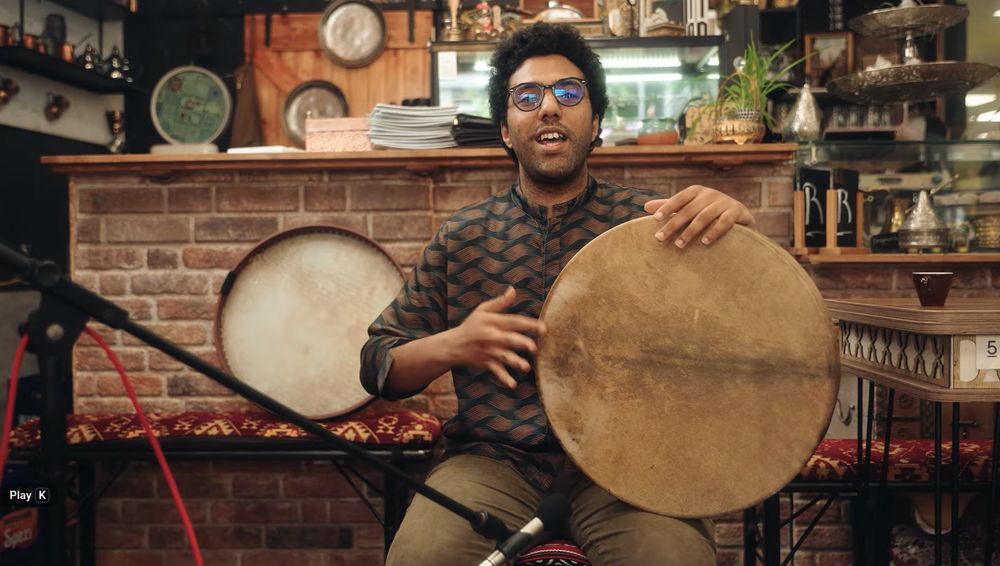
Learn how to drums the Arabic rhythm „Maqsoum“ (Youtube).
Download the Maqsoum Variations (Notation)
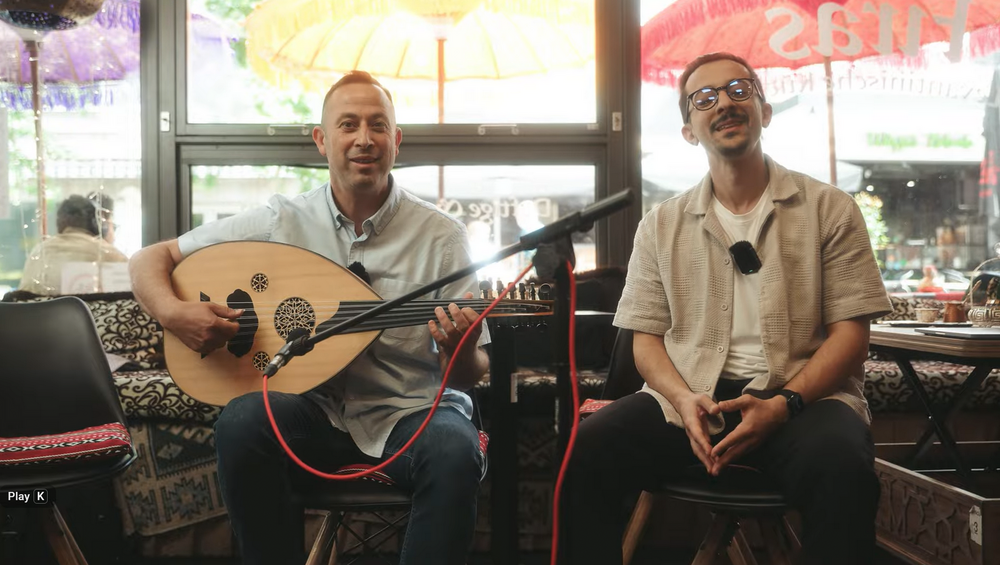
Listen to an introduction about Arabic melodic modes (maqamat). (Youtube).
(Turn on English subtitles in the YouTube settings.)
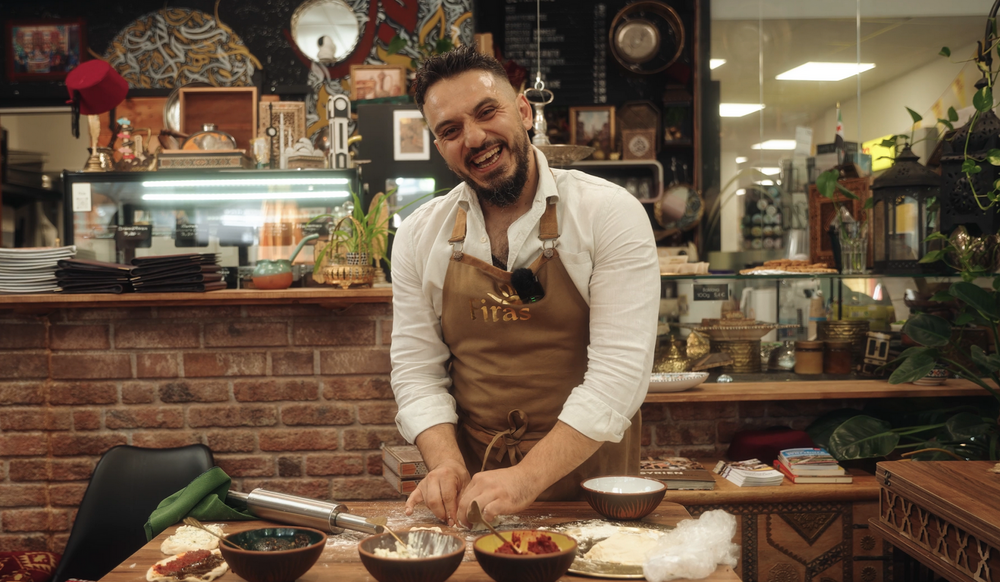
Learn the importance of Arabic pizza (Manakish) and how to cook it (Youtube). (Turn on English subtitles in the YouTube settings.)

Copyright © 2025